China satellite near miss prompts Starlink to reduce altitudes — more than 4,000 satellites pulled to 300-mile orbit to increase ‘space safety’

Image credit: SpaceX via Flickr By Jowi Morales, Published by Tom's Hardware, 28 January 2025 The 70km (43mi) altitude reduction will reduce the risk of collisions for Starlink satellites. Researchers from the Chinese Academy of Sciences Institute of Software reported that Starlink has reduced its altitude for a big chunk

Read More

An artist's illustration of SpaceX's Starlink internet satellites in orbit. (Image credit: SpaceX)

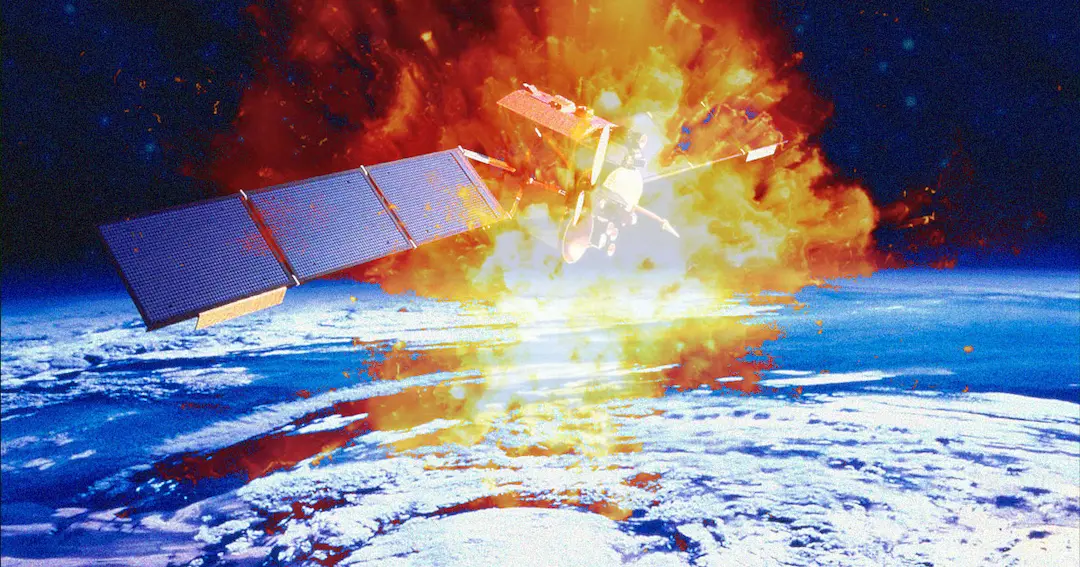
Explosion of a SpaceX satellite in orbit what we know about the incident worrying experts

An artist's illustration of SpaceX's Starlink internet satellites in orbit. (Image credit: SpaceX) Published by Futura, 26 January 2026 SpaceX is one of the earliest and most dominant players in low Earth orbit, a massive presence that also comes with growing risks. The end of the year has been particularly

Read More

The Cygnus re-supply vehicle, which delivers cargo to the International Space Station, burning up in the atmosphere during its reentry. (Image credit: ESA/Alexander Gerst)

Earthquake sensors can track space junk that crashes back to Earth

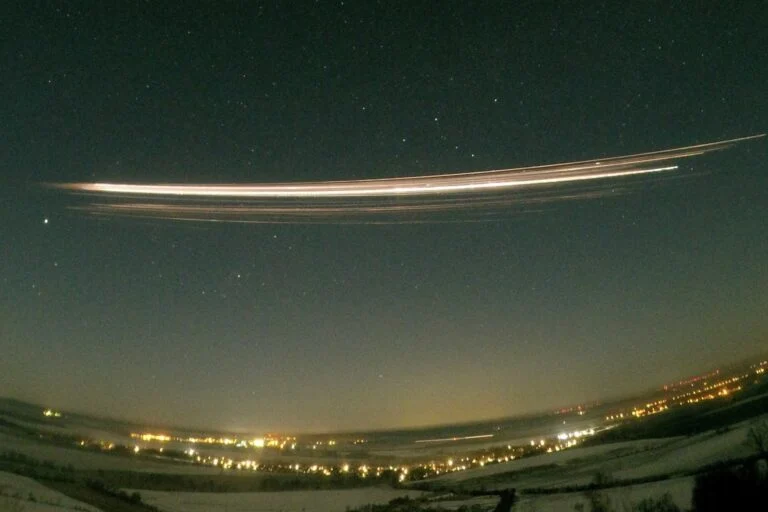
The Cygnus re-supply vehicle, which delivers cargo to the International Space Station, burning up in the atmosphere during its reentry. (Image credit: ESA/Alexander Gerst) By Tereza Pultarova, Published by Space.com, 24 January 2026 "Starlink satellites demise over the Pacific, but there is no way to actually check that out." At

Read More

SpaceX’s Starlink dodged 300,000 satellite collisions in 2025

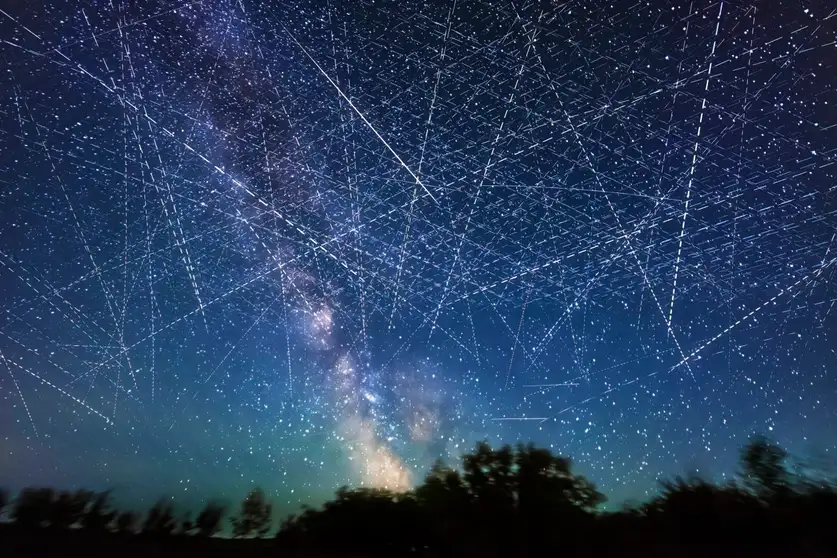
A long-exposure photograph in the northern hemisphere showing satellites in the night skyAlan Dyer/VWPics/Universal Images Group via Getty Images By Jonathan O'Callaghan, Published by New Scientist, 23 January 2026 The company’s mega-constellation is having to perform a huge number of manoeuvres to prevent a collision in Earth orbit A report

Read More

Scientists observe a rapid thinning of Earth’s upper atmosphere and satellites are already being affected

Photo by NASA on Unsplash By Daniel Frostwick, Published by Blackburndrone, 23 January 2026 On the screens inside ESA’s control room, the orbits look clean and calm. Thin blue lines wrapping around Earth, a silent ballet of hardware and code. Then a technician zooms in on a weather satellite’s trajectory

Read More

The countdown to clean orbits has begun with ESA’s Zero Debris Charter

Illustration of congestion in geostationary orbit. Credit: ESA/ID&Sense/ONiRiXEL; CC BY-SA 3.0 By Richard Jacklin and James Snape, Published by Space News, 16 January 2026 Space is rapidly becoming the world’s most congested frontier. What was once a domain of scientific exploration is now a crowded commercial arena, a global infrastructure

Read More

It’s official—the US issues a safety alert to airlines due to the increase in space debris generated by SpaceX rocket explosions

By Sandra V, Published by Union Rayo, 15 January 2026 The U.S. has sent a safety alert to airlines due to an issue that is getting worse: space junk. This junk comes from rockets that explode or fail during their launches. The alert was published by the Federal Aviation Administration

Read More

G60 Starlink, which is backed by the Shanghai municipal government, will eventually comprise more than 12,000 satellites in low earth orbit. Image: Shutterstock/Nasa

200,000 satellites: China seeks approval for one of largest satellite constellations

Image: Shutterstock/Nasa By Bojan Stojkovski, Published by Interesting Engineering, 11 January 2026 China has submitted plans to deploy up to 200,000 satellites into orbit, citing collision risks posed by SpaceX’s rapidly expanding Starlink network. A growing number of Chinese companies are laying the groundwork for an unprecedented expansion of satellite

Read More