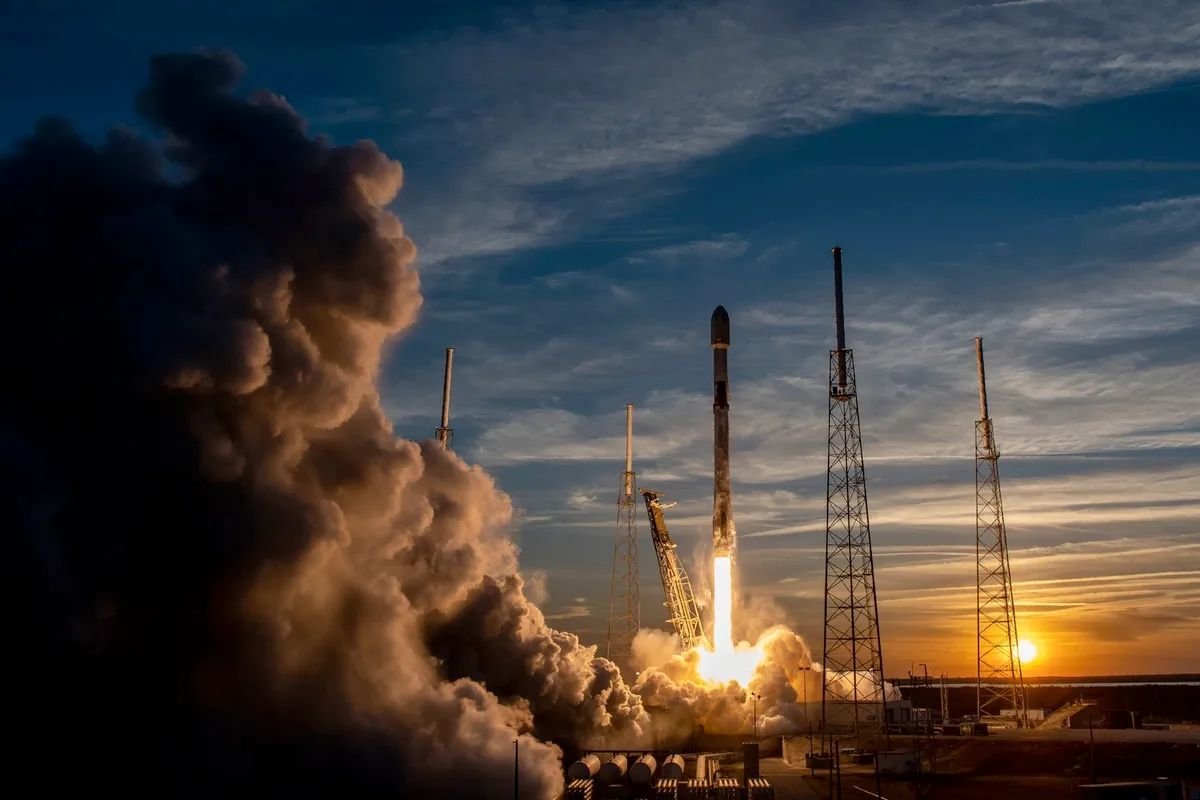
Starlink satellites are dodging objects in orbit thousands of times every month

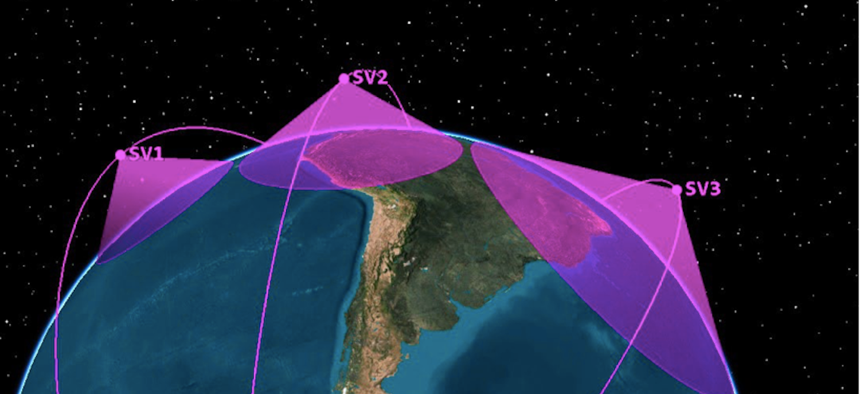
By Aria Alamalhodaei, Published by TechCrunch, 10 July 2023 Starlink satellites are making thousands of avoidance maneuvers as low Earth orbit becomes more crowded, feeding worries that a catastrophic impact is inevitable. SpaceX’s orbital communication satellites performed maneuvers just over 25,000 times in the six-month period between December 1, 2022,

Read More

SpaceX Starlink satellites had to make 25,000 collision-avoidance maneuvers in just 6 months — and it will only get worse

Starlink satellites have been forced to maneuver over 50,000 times to avoid potential orbital collision since the constellation's first satellite launch. (Image credit: Arda Kucukkaya/Anadolu Agency via Getty Images) By Tereza Pultarova, Published by Space.com, 6 July 2023 Since the launch of the first Starlink spacecraft in 2019, the SpaceX

Read More

Debris from ASAT tests creating ‘bad neighborhood’ in low Earth orbit: Analyst

A new LeoLabs’ software tool allows insurers to visualize collision risks to client satellites. (Image: LeoLabs) By Theresa Hitchens, Published by Breaking Defense, 16 June 2023 Russian and Chinese anti-satellite tests are responsible for "pretty much 20 percent" of "conjunction" warnings, that is predictions that two space objects are likely

Read More

Russia Sets 2030 Timeline To Launch Its Nuclear-Powered Zeus Tug That Can Clean Mounting Space Debris

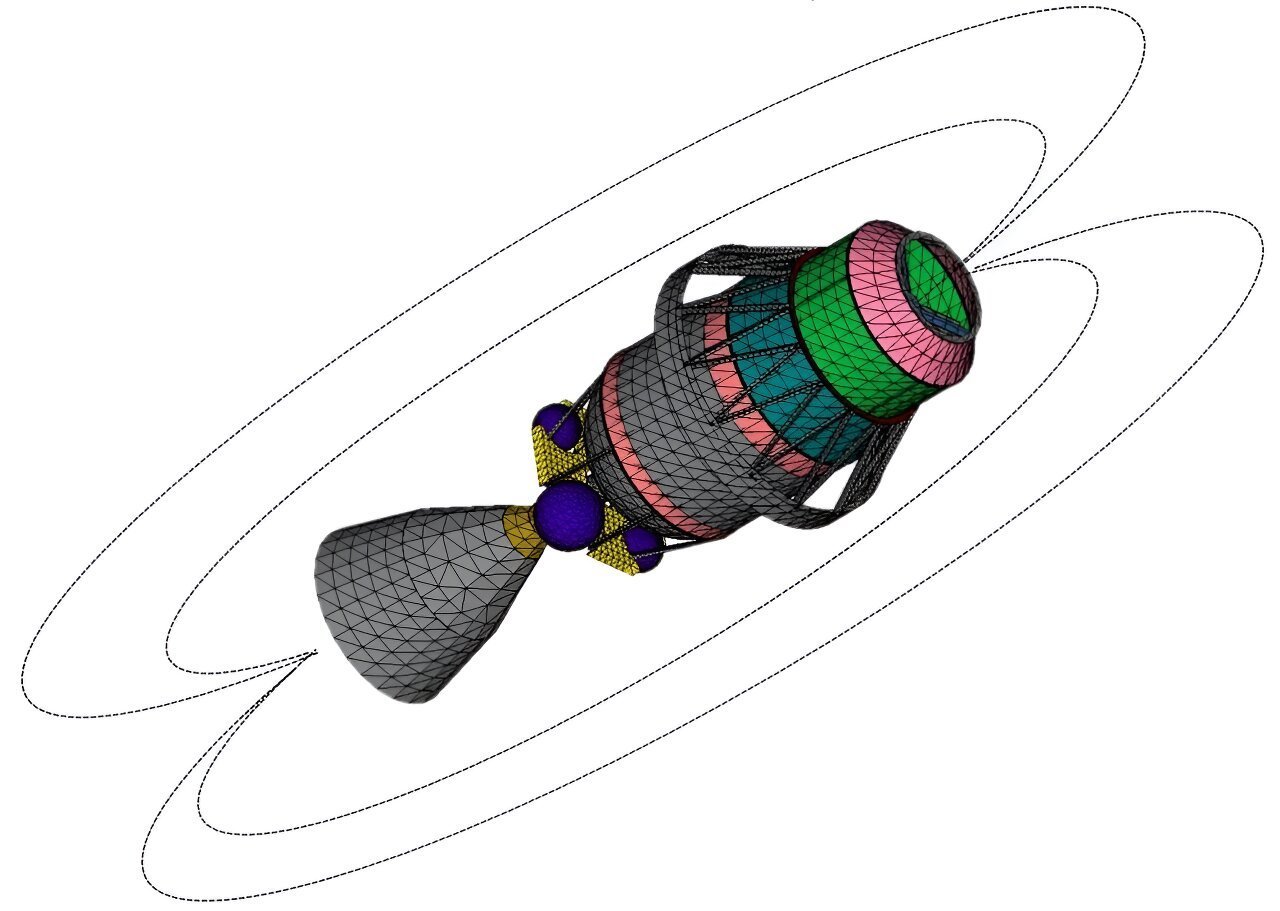
A graphical representation of Russia’s nuclear-powered space tug, Zeus By Parth Satam, Published by The Eurasian Times, 20 April 2023 Russian space agency Roscosmos is considering using the Zevs (Zeus) nuclear tug for cleaning up orbits flooded with space debris. The agency’s CEO, Yuri Borisov, made the announcement at the

Read More

Space Force, SPACECOM pushing to speed ‘sustained’ maneuverability on orbit

By Theresa Hitschens, Published by Breaking Defense, 19 April, 2023 The Space Force is rushing to meet SPACECOM's demand, developing a new acquisition plan for space "mobility and logistics" — including on-orbit servicing and repair, satellite refueling and space junk cleanup — a plan that will lean heavily on use

Read More

The atmospheric reentry process generates extreme heat and mechanical loads, which lead to the satellite's disintegration at the altitude of about 45 miles. (Image credit: ESA)

Space debris problem spurs a bold change in US government regulations

By Elizabeth Howell, Publishd by Space.com, 12 April 2023 The Federal Communications Commission plans to streamline its space activities to meet fast-growing space safety needs. The fast-growing space debris issue is top of mind at a new space-focused division of the U.S. government. "Satellite and orbital debris rules" will be one of

Read More