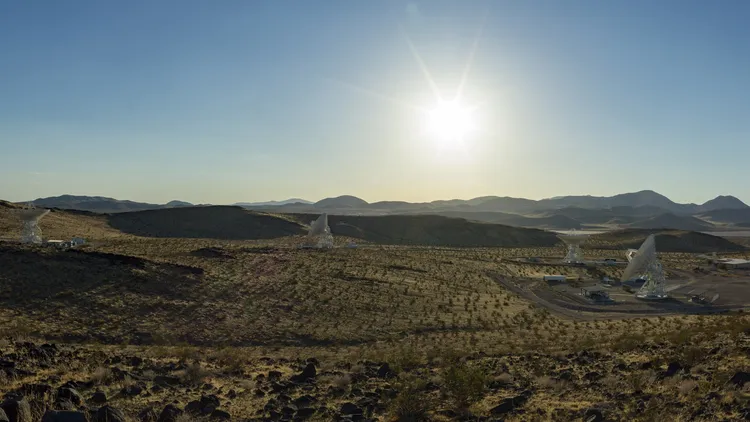
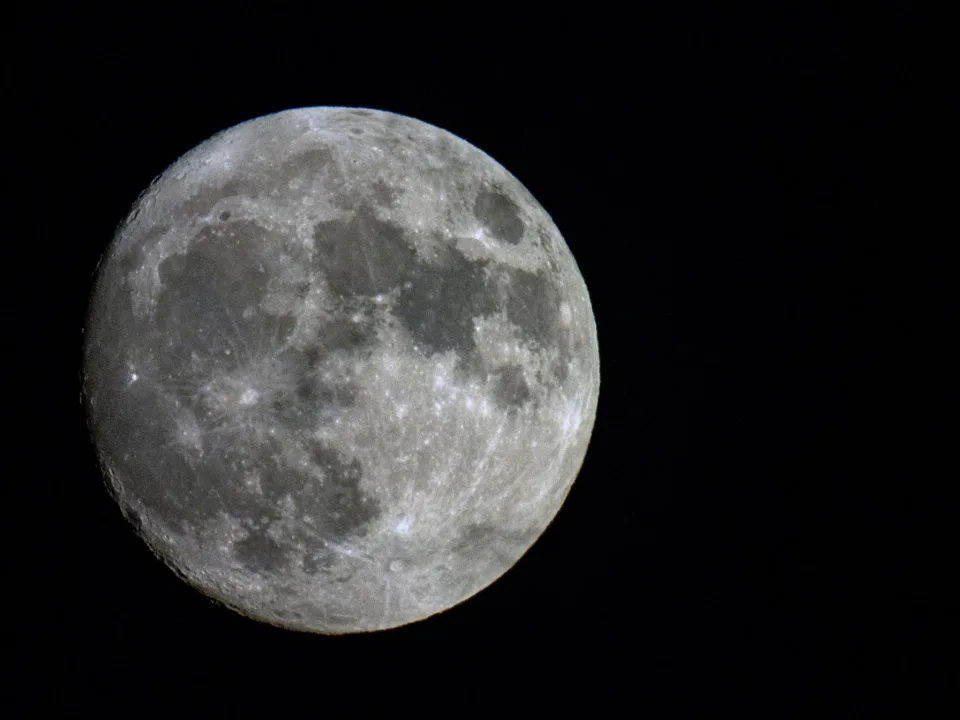
The Air Force Research Laboratory is now exploring cislunar space, which is expected to get more congested as more firms and countries invest in space travel to the moon. Their Cislunar Highway Patrol (CHPS) will experiment with space domain awareness beyond Geosynchronous Earth Orbit. AFRL courtesy image

The Moon Is Turning Into a Strategic Battleground as Nations Eye Trillions in Space Resources, Scientists Warn

The Air Force Research Laboratory is now exploring cislunar space, which is expected to get more congested as more firms and countries invest in space travel to the moon. Their Cislunar Highway Patrol (CHPS) will experiment with space domain awareness beyond Geosynchronous Earth Orbit. AFRL courtesy image By Kouceila Rekik,

Read More

NASA is building the first nuclear reactor-powered interplanetary spacecraft. How will it work?

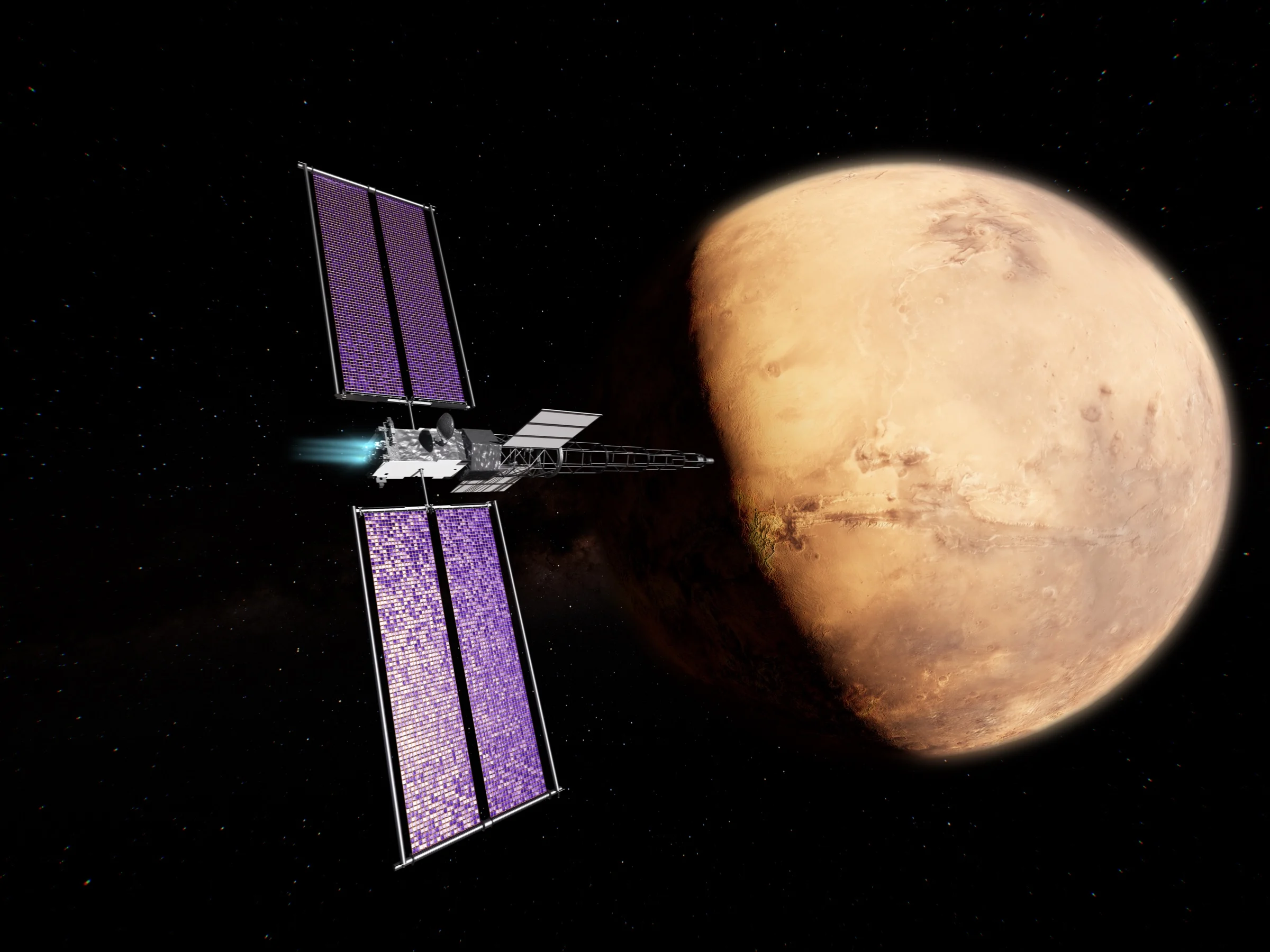
SR-1 Freedom Mars flyby: NASA By Robin George Andrews, Published by MIT Technology Review, 14 April 2026 Just before Artemis II began its historic slingshot around the moon, Jared Isaacman, the recently confirmed NASA administrator, made a flurry of announcements from the agency’s headquarters in Washington, DC. He said the

Read More

White House again proposes steep NASA budget cuts

By Jeff Foust, Published by Space News, 3 April 2026 WASHINGTON — For the second consecutive year, the White House is proposing a major budget cut for NASA that would significantly reduce the agency’s science programs and International Space Station operations. The White House Office of Management and Budget released

Read More

NASA announces ‘near‑impossible’ space plans, including $20B moon base and humanity’s first nuclear-powered interplanetary spacecraft

A concept for a later phase of NASA's proposed lunar base. Credit: NASA By Patrick Pester, Published by Live Science, 25 March 2026 NASA's Gateway lunar space station won't launch next year in new changes to the Artemis program, which include ramping up development of a $20 billion moon base

Read More

Credit: janiecbros/Getty Images

Collisions between space traffic could collapse the satellite network

Image: janiecbros/Getty Images By Raquel Brandao, Published by Earth.com, 12 February 2026 Earth’s crowded orbital environment has reached a point where space traffic collisions could occur within days of a widespread tracking failure. That compressed timeline leaves little margin to restore control before debris spreads and raises risks for navigation,

Read More