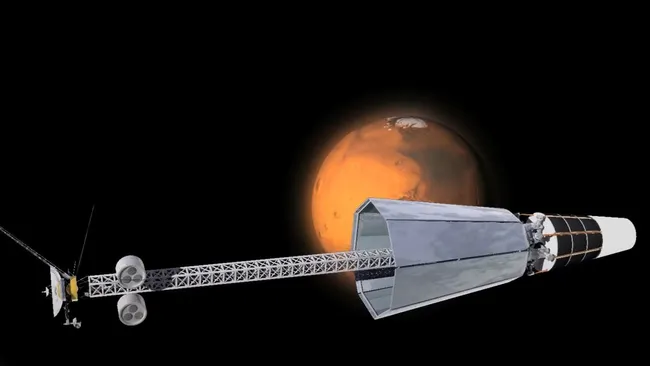
NASA plans to send a working nuclear reactor toward Mars in late 2028. Space Reactor-1 Freedom will split uranium atoms in deep space to generate electricity for its engines — the first test of a technology NASA hopes will eventually help power human missions across the Solar System.

NASA's Space Reactor-1 Freedom cruises past Mars in this artist's concept, demonstrating nuclear electric propulsion in deep space. Source. Credit: NASA. By Lachlan Brown, Published by Space Daily, 21 August 2026 NASA has put a date on an idea that the United States has studied for more than six decades

Read More

A rocket crashed into the moon. It was harmless, but the next one might not be.

A concept for a later phase of NASA's proposed lunar base. Credit: NASA By Therese Jones, Published by Space News, 17 August 2026 Earlier this month, a discarded SpaceX Falcon 9 upper stage crashed into the lunar surface at 8,700 kilometers per hour. This was not a controlled landing. The

Read More

Building a long‑term base on the Moon will require extensive planning – a planetary geologist describes the considerations that go into it

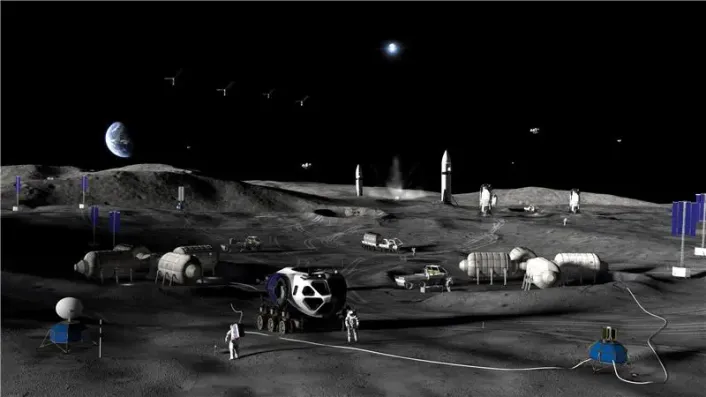
NASA plans to build a semi-permanent base on the Moon in the 2030s, as shown in this illustration. NASA By Clive Neal, Published by The Conversation, 14 July 2026 Lots of excitement for space bubbled up in spring 2026. The Artemis II mission took a crew of four on a

Read More

World’s first commercial nuclear-powered satellite set for launch aboard SpaceX rocket

Nano Tritium battery: Citi Labs By Mrigakshi Dixit, Published by Interesting Engineering, 7 July 2026 Miami-based City Labs is all set to launch the world’s first commercial nuclear-powered satellite into orbit.  Solar panels have some challenges. When a satellite slips into the shadow of the Earth, hits a permanently dark

Read More

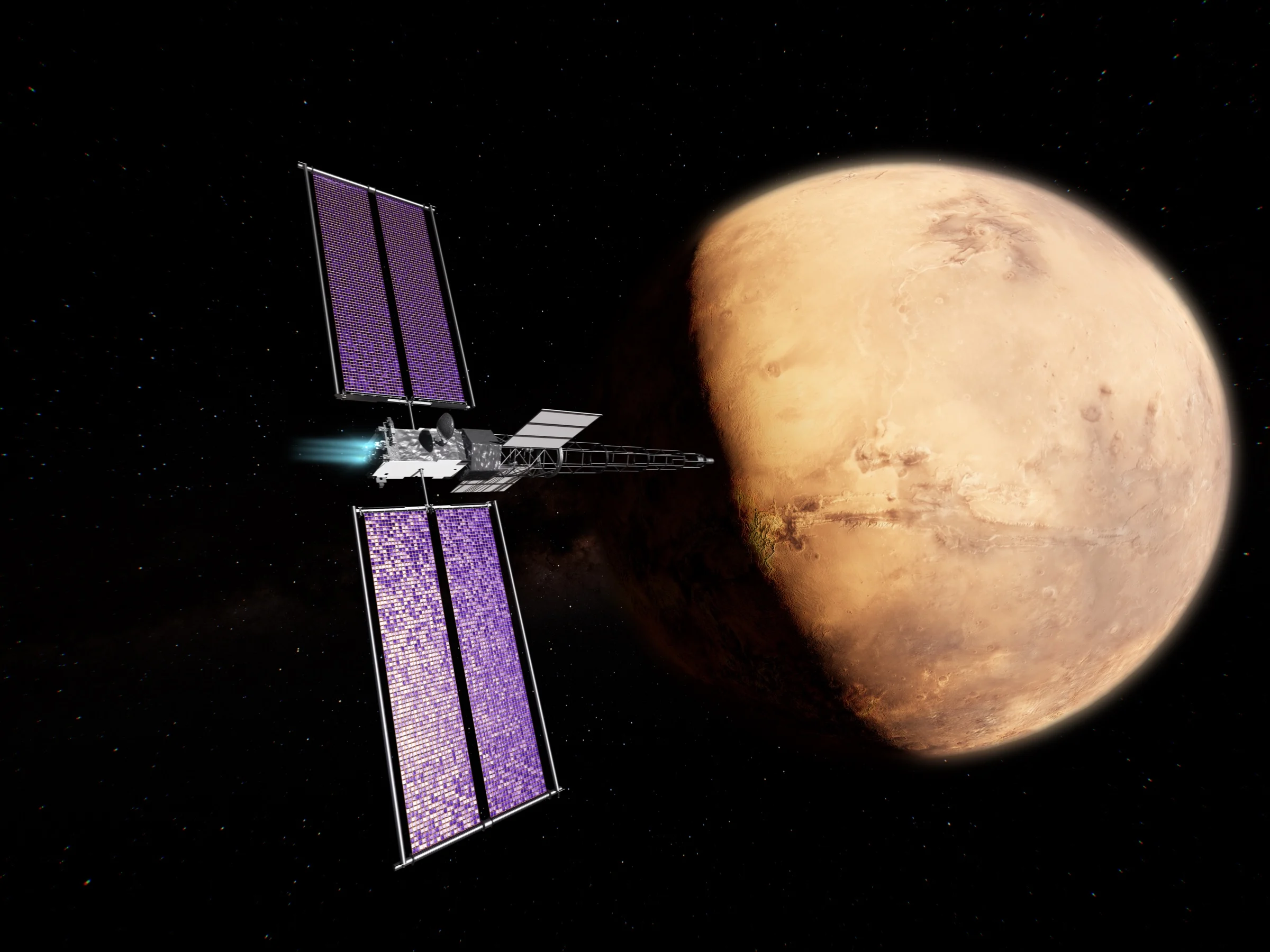
NASA’s plan to put a nuclear reactor on a Mars-bound spacecraft by 2028 sounds impossible — until you realize the agency is quietly stitching together two programs that were never supposed to meet

By Space Daily Editorial Team, 9 June 2026 Building a nuclear-powered interplanetary spacecraft typically takes a decade. NASA is trying to do it in roughly two and a half years — and the only way the math works is by welding together two programs that were never designed to talk

Read More

An artist's concept of possible nuclear fission reactors on the Moon. Credit: NASA

NASA is building a nuclear reactor for the Moon by 2030 — and testing the nuclear propulsion that could carry humans to Mars in the decade after — under a new directive that revives a space-nuclear ambition the agency has been quietly chasing since Apollo

An artist's concept of possible nuclear fission reactors on the Moon. Credit: NASA By Editorial Team, Published by Space Daily, 25 May 2026 NASA and the U.S. Department of Energy announced, on January 13, 2026, that they had signed a memorandum of understanding committing the two agencies to the development

Read More