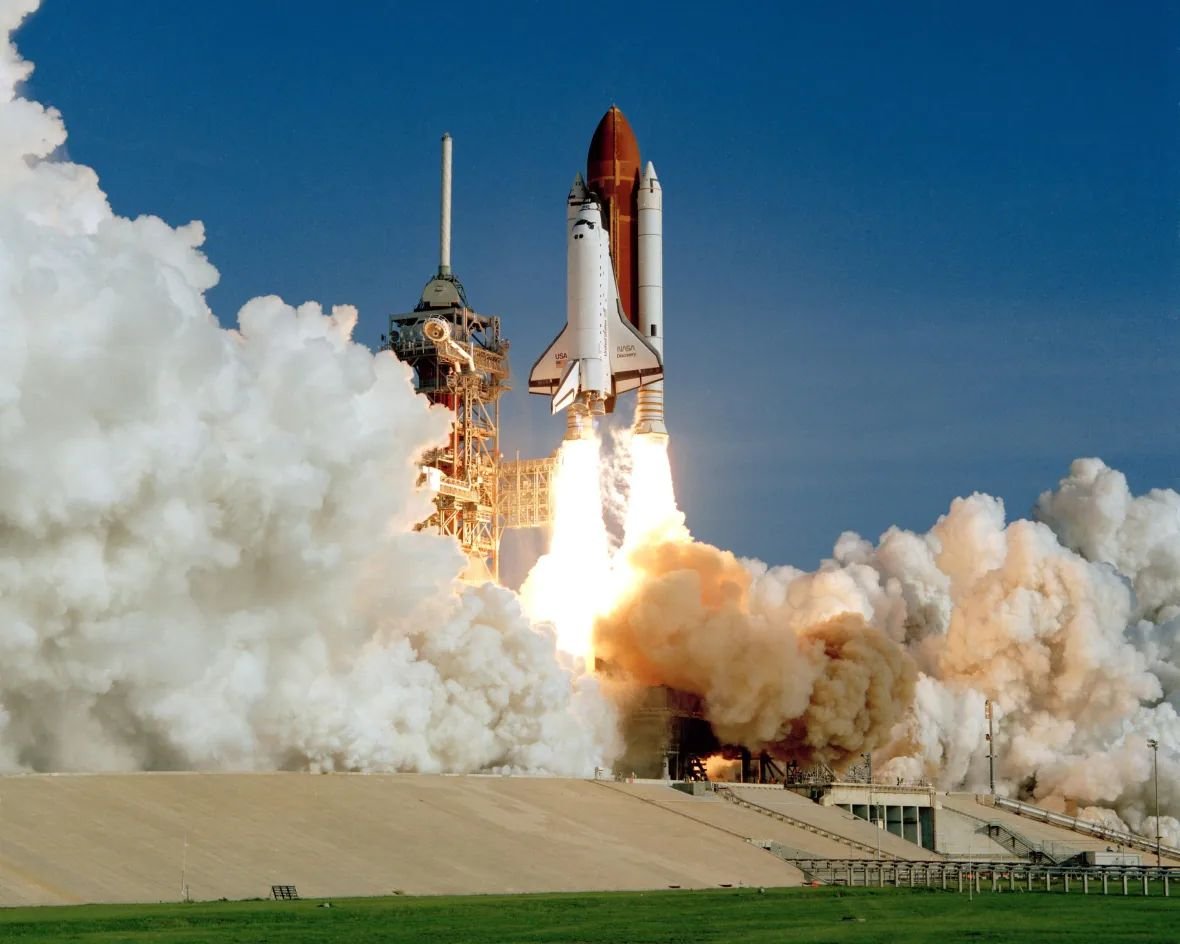
Space Shuttle Discovery soars away from Launch Pad 39A at the Kennedy Space Center, on Aug. 30, 1984, beginning its maiden voyage and a storied spaceflight career that spanned more than 26 years. The launch vehicle consisted of a main engine tank (orange) and two solid rocket boosters (white). (NASA)

Environmental Impacts of Satellites: Sign the Public Interest Research Group Letter to the FCC, and More

Space Shuttle Discovery launch Aug. 30, 1984 (NASA) By Patricia Burke, compiled with Kate Kheel of Safe Tech InternationalPosted on Patricia's Substack for Safe Tech, 15 November 2024 Dear FCC Space Bureau Chief Julie Kearney, 'The new space race doesn’t need to create massive space waste.' The number of satellites

Read More

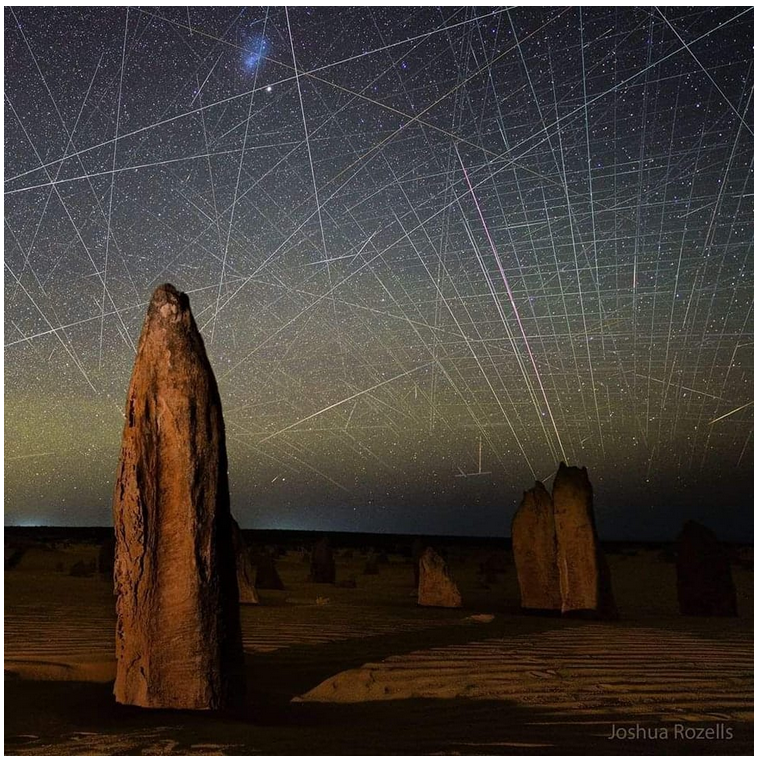
More than 100 researchers call for pause in Musk Starlink launches

By Sarah Fortinsky, Published by The Hill, 30 October, 2024 Researchers are urging the federal government to pause further low-orbit internet satellite launches until a comprehensive review is conducted to determine the potential environmental damage that could result. In a letter to Julie Kearney, chief of the Federal Communications Commission

Read More

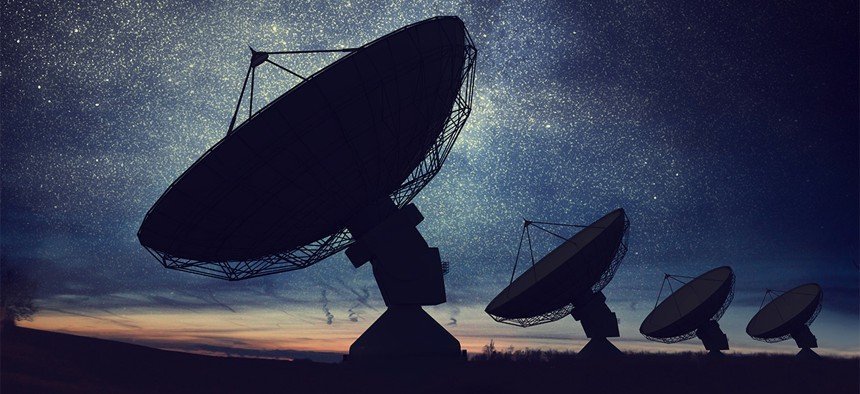
Radio Astronomers Raise Alarm Bells Over SpaceX’s Cellular Starlink Tech

Satellite Dishes (Defense One) By Michael Kan, Published by PC Magazine, 31 May 2024 Scientists fear cellular satellites from SpaceX and AST SpaceMobile will interfere with and even damage their radio astronomy equipment. SpaceX and AST SpaceMobile are working to bring satellite connectivity to smartphones, but scientists say the technology risks disrupting

Read More

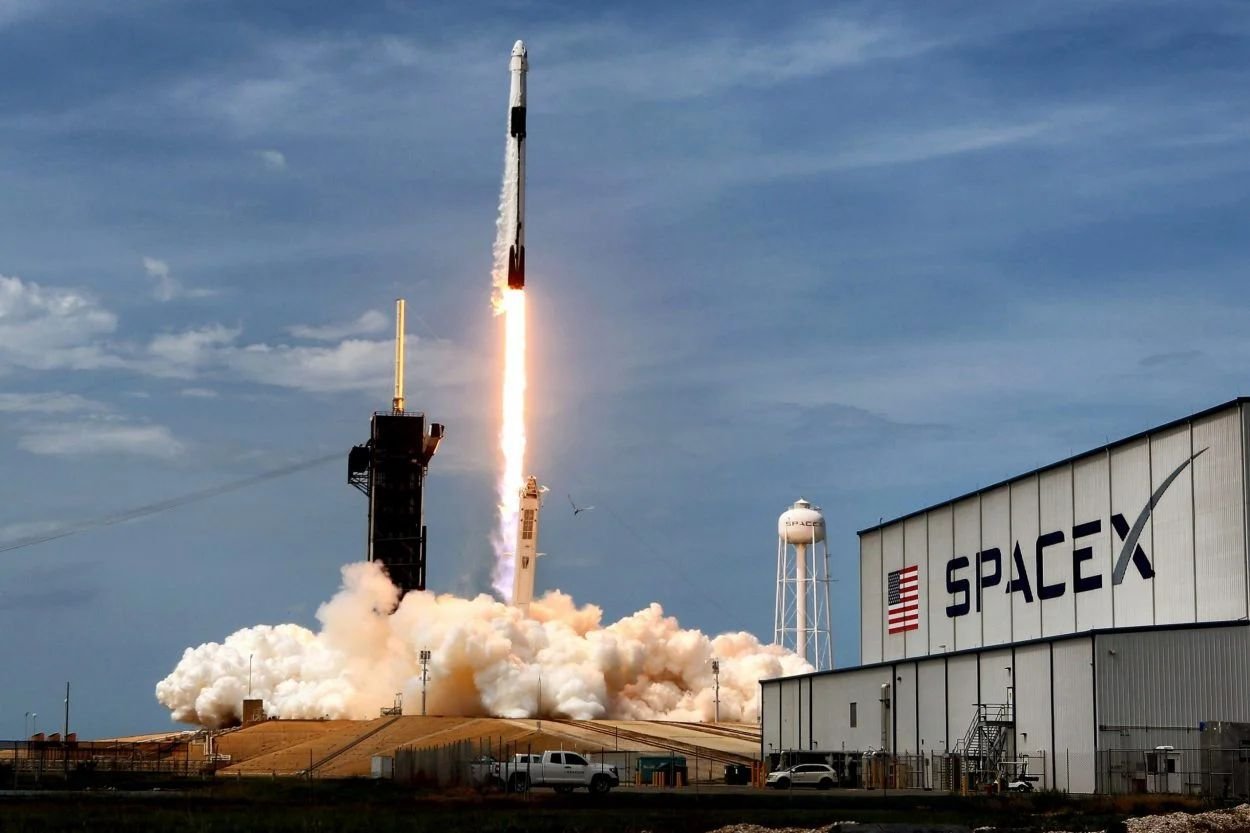
To Improve Starlink Speeds, SpaceX Wants to Orbit Satellites Closer to Earth

By Michael Kan, Published by PC Magazine, 21 February 2024 The company is requesting to orbit some second-generation Starlink satellites 'in the 340 km-360 km range,' according to an FCC filing. To boost Starlink speeds, SpaceX is asking for regulatory clearance to orbit some satellites about 200 kilometers (124 miles)

Read More