Space Shuttle Discovery soars away from Launch Pad 39A at the Kennedy Space Center, on Aug. 30, 1984, beginning its maiden voyage and a storied spaceflight career that spanned more than 26 years. The launch vehicle consisted of a main engine tank (orange) and two solid rocket boosters (white). (NASA)

Environmental Impacts of Satellites: Sign the Public Interest Research Group Letter to the FCC, and More

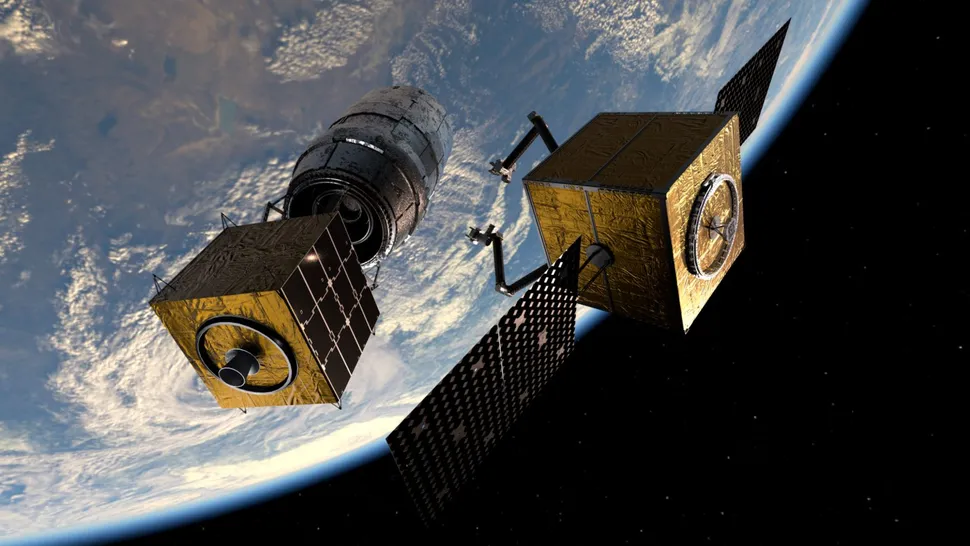
Space Shuttle Discovery launch Aug. 30, 1984 (NASA) By Patricia Burke, compiled with Kate Kheel of Safe Tech InternationalPosted on Patricia's Substack for Safe Tech, 15 November 2024 Dear FCC Space Bureau Chief Julie Kearney, 'The new space race doesn’t need to create massive space waste.' The number of satellites

Read More

Starlink satellite falls to Earth, burns up as stunning fireball over US

European Space Agency simulation shows the number of spacecraft orbiting the Earth By Brett Tingley, Published by Space.com, 11 November 2024 The bright object was likely a Starlink satellite burning up in Earth's atmosphere as it fell back toward our planet. A brilliant fireball that lit up the skies over

Read More

Spaceport moves to mountain summit despite objections from Scotland’s richest man

The proposed Sutherland Spaceport design on the A’ Mhoine peninsula. By Alison Campsie, Published by The Scotsman, 10 November 2024 The Sutherland Spaceport gets ready for liftoff. Amountain summit will become a rocket surveillance site for the country’s latest spaceport after objections from Scotland’s richest man were sidelined. An ‘antenna park’ will

Read More

Intelsat 33e breaks up in geostationary orbit

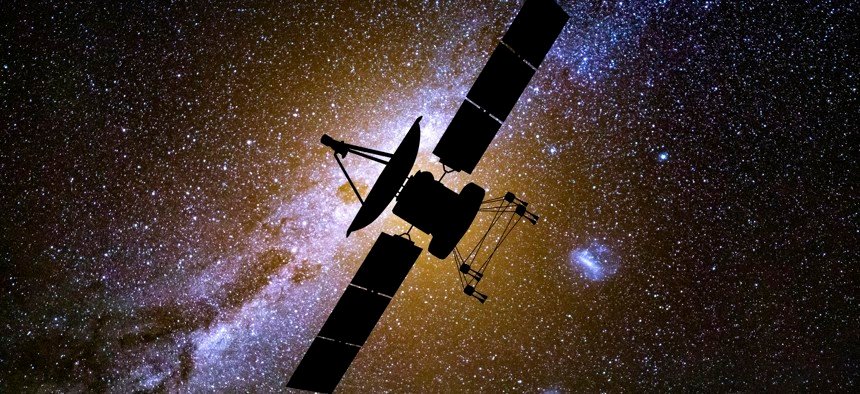
An artist's concept of a Boeing-built Intelsat EpicNG satellite. Credit: Boeing By Jason Rainbow, Publishd by Space News, 19 October 2024 TAMPA, Fla. — The Intelsat 33e satellite has broken up in geostationary orbit (GEO) and lost power, ceasing communications services for customers across Europe, Africa and parts of Asia Pacific.

Read More